Understanding gambling addiction Recognize the signs and seek help
What is Gambling Addiction?
Gambling addiction, also known as compulsive gambling or pathological gambling, is characterized by an uncontrollable urge to gamble despite the negative consequences it may cause. This addiction can manifest in various forms, including casino gambling, sports betting, and online gaming. Individuals may experience intense cravings that lead them to wager larger amounts or gamble more frequently, attempting to recapture previous wins or escape their problems. Consequently, Pinco Casino Canada offers multiple gaming options to help players manage their gaming habits effectively. Understanding the nature of this addiction is crucial for those affected and their loved ones.
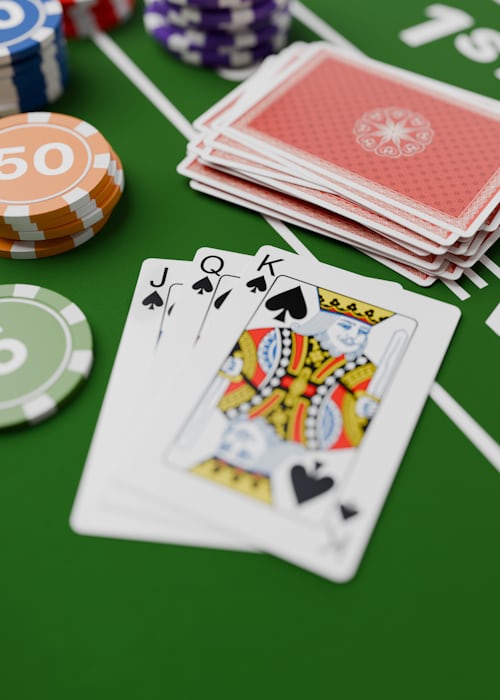
The consequences of gambling addiction are often severe, impacting not just the individual but their family and friends as well. Emotional distress, financial strain, and relationship breakdowns are common outcomes. As the individual continues to gamble, they may find themselves caught in a cycle of deceit and denial, making it harder to acknowledge the problem. Recognizing the complexity of gambling addiction is the first step toward seeking help and recovery.
Gambling addiction can affect anyone, regardless of age, gender, or socioeconomic background. This makes it essential for both individuals and society to understand the signs and symptoms. By fostering awareness and education about gambling addiction, we can create a supportive environment that encourages those struggling to seek help before it’s too late. The road to recovery may be challenging, but it is achievable with proper support and resources.
Recognizing the Signs of Gambling Addiction
Identifying the signs of gambling addiction can be difficult, as individuals often hide their behavior out of shame or denial. Common indicators include preoccupation with gambling, a constant need to gamble with increasing amounts of money, and unsuccessful attempts to cut back. Individuals may also experience irritability or restlessness when trying to stop, leading them to gamble more to alleviate these feelings. Recognizing these behaviors in oneself or a loved one is vital for early intervention.
Another critical sign is the impact of gambling on daily life. Individuals may neglect responsibilities at work, school, or home due to their gambling activities. This neglect can lead to significant consequences, including job loss, academic failure, and family discord. Those experiencing this level of impairment often find it challenging to maintain healthy relationships as their focus shifts entirely to gambling. Understanding these signs allows friends and family members to take action sooner rather than later.
Financial issues frequently accompany gambling addiction, with individuals accruing debts, borrowing money, or even resorting to illegal activities to fund their gambling habits. If someone you know has exhibited these behaviors, approaching the subject with empathy and understanding is crucial. Open conversations can encourage them to reflect on their actions and consider seeking help. Awareness of these signs can save lives and guide individuals toward recovery.
The Psychological Impact of Gambling Addiction
Gambling addiction can lead to significant psychological distress, often presenting symptoms similar to those seen in other behavioral addictions. Individuals may suffer from anxiety, depression, and feelings of hopelessness, which can be exacerbated by financial strain and relationship problems. These emotional states can create a vicious cycle, leading individuals to gamble as a way to cope with their feelings, further entrenching their addiction.
Moreover, the thrill of gambling can trigger a release of dopamine, the brain’s reward neurotransmitter, creating a temporary feeling of euphoria. This feeling can become addictive, leading individuals to chase the high despite the potential for devastating losses. Over time, the emotional and psychological toll can severely impact one’s quality of life, influencing not only mental health but physical well-being as well. Understanding these psychological aspects is key in addressing the addiction effectively.
Therapeutic interventions, such as cognitive-behavioral therapy, can be particularly beneficial in addressing the underlying psychological issues associated with gambling addiction. These therapies work to reshape thought patterns, helping individuals to develop healthier coping mechanisms. Awareness of the psychological impact can facilitate more comprehensive treatment approaches, enhancing the chances of successful recovery and long-term abstinence from gambling.
Seeking Help and Support
When it becomes evident that gambling has turned into an addiction, seeking help is crucial. Various resources are available for individuals struggling with this issue, including support groups, counseling, and rehabilitation programs. Organizations dedicated to helping those with gambling addictions offer support through shared experiences, allowing individuals to connect with others facing similar challenges. This sense of community can be instrumental in recovery.
Professional therapy can also provide valuable insights and coping strategies, helping individuals address the underlying issues that contribute to their gambling behavior. Therapists often employ various therapeutic techniques tailored to the individual’s needs, making the recovery process more effective. Families also play a vital role in this journey, as their support can significantly impact a person’s motivation to seek help and sustain recovery.
It is vital for those affected to understand that recovery is a journey, not a destination. Overcoming gambling addiction requires time, patience, and persistence. There will be challenges along the way, but with the right support systems in place, individuals can reclaim their lives and rebuild relationships. The first step toward healing often begins with acknowledging the problem and reaching out for help.

Pinco Casino: Promoting Responsible Gambling
Pinco Casino, an online gaming platform, recognizes the importance of responsible gambling and is committed to providing a secure gaming environment for its users. The platform offers various tools and resources aimed at promoting responsible gaming, including self-exclusion options and limits on deposits and wagers. By encouraging players to engage in responsible gambling practices, Pinco Casino aims to minimize the risks associated with gambling addiction.
The site also emphasizes user education, providing information on the signs of gambling addiction and how to seek help. By fostering awareness and encouraging open conversations about gambling behavior, Pinco Casino contributes to creating a safer gaming experience. This commitment to responsible gambling reflects a broader industry trend toward acknowledging the potential harms of gambling and prioritizing user welfare.
Ultimately, while gambling can be a source of entertainment for many, it is essential to recognize the signs of addiction and seek help when needed. Pinco Casino’s dedication to promoting responsible gaming serves as a model for other gaming platforms, aiming to create a healthier environment for all players. Through awareness and support, it is possible to enjoy gambling responsibly while minimizing the risks associated with addiction.